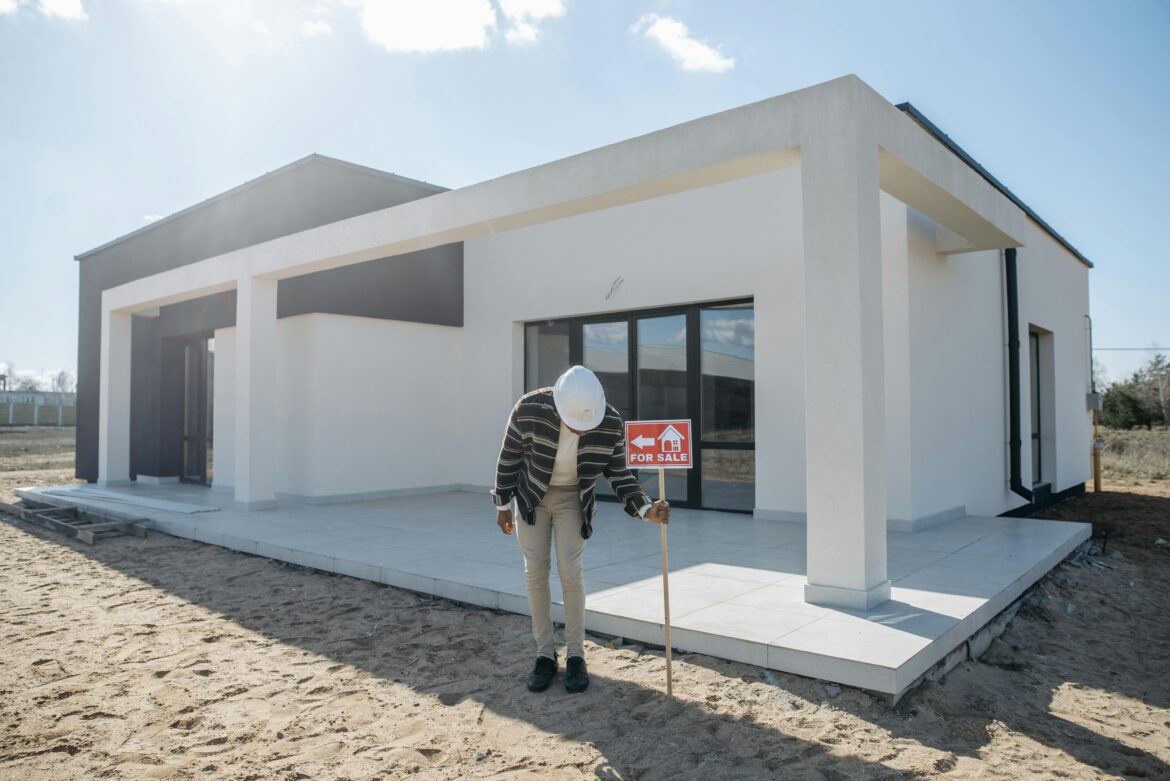
Real estate has long been regarded as one of the most reliable vehicles for building and preserving wealth. From family-owned rental properties to institutional portfolios worth billions, property ownership continues to play a central role in global financial systems. While headlines often focus on housing booms, interest rate shifts, or regional price fluctuations, successful real estate investing has always been rooted in fundamentals that transcend market cycles.
Understanding these core principles is essential for investors, homeowners, and professionals seeking sustainable returns in an increasingly complex environment. This article explores the timeless foundations of real estate success and how disciplined decision-making can create long-term value.
Why Real Estate Remains a Cornerstone Asset Class
Few asset classes offer the combination of income, appreciation, and stability that real estate provides. Unlike stocks or bonds, property is tangible, limited in supply, and closely linked to essential human needs such as housing, commerce, and infrastructure.
Several enduring characteristics continue to support real estate’s relevance:
- Intrinsic utility: People always need places to live and work.
- Inflation resilience: Property values and rents often rise with inflation.
- Leverage potential: Financing allows investors to control large assets with limited capital.
- Income generation: Rental properties provide recurring cash flow.
- Wealth preservation: Real estate historically maintains value during economic shifts.
These qualities make property ownership attractive across generations, cultures, and economic systems.
Location: The Unchanging Foundation of Value
The phrase “location, location, location” persists for good reason. While technology and infrastructure evolve, geography remains one of the most powerful determinants of real estate performance.
Key location factors include:
- Employment centers and economic activity
- Transportation access
- School quality
- Healthcare availability
- Cultural and lifestyle amenities
- Safety and governance
Properties near growing employment hubs, transit corridors, and desirable neighborhoods tend to experience stronger long-term appreciation and tenant demand.
Even in an era of remote work, proximity to urban services, logistics networks, and lifestyle destinations continues to influence property values.
Supply, Demand, and Market Balance
Real estate markets are ultimately governed by supply and demand. Understanding this dynamic helps investors anticipate trends rather than react to them.
Demand Drivers
- Population growth
- Household formation
- Wage increases
- Immigration
- Urbanization patterns
Supply Constraints
- Zoning regulations
- Land availability
- Construction costs
- Environmental restrictions
- Permitting timelines
Markets with strong demand and limited supply tend to experience steady appreciation and lower vacancy rates. Conversely, regions with overbuilding often face prolonged price stagnation.
Long-term investors focus on markets where structural demand exceeds new supply.
Cash Flow: The Engine of Sustainable Investing
While appreciation attracts attention, cash flow sustains investors.
Positive cash flow occurs when rental income exceeds operating expenses and financing costs. Properties that generate consistent income allow owners to:
- Service debt safely
- Reinvest in improvements
- Withstand economic downturns
- Maintain financial flexibility
Prudent investors evaluate:
- Gross rental yield
- Operating expenses
- Maintenance reserves
- Property taxes
- Insurance costs
- Vacancy allowances
Strong cash flow protects portfolios during market corrections and interest rate cycles, making it one of the most reliable indicators of long-term viability.
Leverage: A Tool That Requires Discipline
Mortgage financing enables investors to amplify returns, but it also magnifies risk. Responsible use of leverage is one of the defining characteristics of successful real estate operators.
Key leverage principles include:
- Conservative loan-to-value ratios
- Fixed-rate financing when possible
- Adequate liquidity reserves
- Stress testing for higher interest rates
- Avoiding overdependence on refinancing
Excessive leverage has historically been a major contributor to property market crises. Sustainable investors prioritize resilience over maximum short-term returns.
Asset Quality and Property Management
A property’s physical condition and operational efficiency directly impact performance. High-quality assets attract stable tenants, command higher rents, and require fewer unexpected repairs.
Important considerations include:
- Building materials and construction standards
- Age and maintenance history
- Energy efficiency
- Accessibility and design
- Compliance with safety regulations
Professional property management further enhances asset value through:
- Tenant screening
- Preventive maintenance
- Rent optimization
- Regulatory compliance
- Expense control
Well-managed properties consistently outperform poorly maintained assets, regardless of market conditions.
Diversification Within Real Estate
Just as investors diversify stock portfolios, sophisticated property owners diversify within real estate.
Common diversification strategies include:
By Property Type
- Residential
- Office
- Retail
- Industrial
- Multifamily
- Mixed-use
By Geography
- Different cities
- Multiple regions
- International exposure
By Income Profile
- Stable core assets
- Value-add properties
- Development projects
Diversification reduces exposure to localized downturns and regulatory changes, creating more balanced portfolios.
Understanding Economic and Policy Cycles
Real estate is deeply influenced by macroeconomic forces and government policy. Interest rates, taxation, housing incentives, and infrastructure spending all shape property markets.
Key long-term drivers include:
- Monetary policy
- Demographic shifts
- Urban planning
- Environmental regulations
- Housing affordability initiatives
Rather than attempting to time markets perfectly, experienced investors position themselves to benefit from structural trends and policy continuity.
Technology and Data in Modern Real Estate
While fundamentals remain constant, technology has transformed how investors analyze and manage properties.
Modern tools enable:
- Advanced market analytics
- Automated valuation models
- Smart building systems
- Digital leasing platforms
- Predictive maintenance
- Remote property monitoring
Data-driven decision-making improves risk assessment, pricing accuracy, and operational efficiency. However, technology complements—rather than replaces—sound judgment and local market knowledge.
Risk Management: The Cornerstone of Longevity
Real estate success depends as much on risk control as on opportunity identification.
Major risk categories include:
- Market risk
- Interest rate risk
- Regulatory risk
- Environmental risk
- Tenant concentration risk
- Liquidity risk
Effective risk management involves:
- Conservative underwriting
- Adequate insurance coverage
- Emergency reserves
- Legal compliance
- Regular portfolio reviews
Long-term investors prioritize capital preservation as strongly as growth.
Building Wealth Through Patience and Compounding
One of real estate’s greatest advantages is its capacity for compounding returns over time. Through rent growth, debt amortization, and appreciation, properties generate layered wealth.
Over decades, owners benefit from:
- Increasing net equity
- Rising income streams
- Portfolio scalability
- Intergenerational transfer potential
This gradual accumulation explains why many of the world’s most enduring fortunes are rooted in property ownership.
Ethics, Community, and Sustainable Development
Modern real estate increasingly emphasizes social responsibility and environmental stewardship.
Sustainable practices include:
- Energy-efficient construction
- Responsible land use
- Affordable housing initiatives
- Community engagement
- Transparent governance
Properties that align with environmental and social priorities tend to enjoy regulatory support, tenant loyalty, and long-term resilience.
Responsible development enhances both financial performance and societal value.
Conclusion: The Enduring Logic of Real Estate
Despite technological disruption, financial innovation, and economic uncertainty, the fundamental logic of real estate remains unchanged. Value is created through strategic location selection, disciplined financial management, quality operations, and long-term vision.
Successful investors understand that property is not a speculative instrument but a productive asset requiring stewardship. Markets may fluctuate, policies may evolve, and trends may shift, but the principles of sustainable real estate investment continue to reward patience, prudence, and professionalism.
In a world of accelerating change, real estate remains one of the few asset classes where timeless fundamentals still govern long-term success.
